From Sponsorship to Infrastructure
How Beverage Brands Stopped Buying Attention and Started Building Worlds.
.avif)
I have spent the better part of my career working inside a creative branding agency in Dubai, helping brands figure out how to show up in markets that move fast and forget faster. So when I look at the beverage industry today, I am not looking at it from the outside. I have sat in the rooms where activation budgets get debated, where someone asks "but what does the logo placement actually do for us?", and where the answer, increasingly, is: not enough.
That question, the one about logo placement, is where this whole story begins. Because the biggest shift happening in beverage marketing right now is not about better ads or bigger billboards. It is about brands that stopped renting space on someone else's stage and started building their own.
This article breaks down that shift through the lens of real campaigns, real numbers, and the work we do daily as a branding and design agency rooted in Dubai's fast-moving events economy.
Why the Old Sponsorship Model Ran Out of Fuel
For decades, the standard sponsorship deal was simple. A brand paid for signage at a stadium, a logo on a race car, or a mention during a broadcast. In return, they got "visibility." The model was transactional. It worked because consumer attention was concentrated in a handful of channels: TV, print, and outdoor.
Then those channels splintered. Social feeds, YouTube, TikTok, podcasts, and streaming services pulled audience attention in dozens of directions at once. A logo on a barrier wall during a tennis match stopped meaning what it used to mean.
The Pitfall of "Impressions" and "Media Value"
I noticed this firsthand working on brand activations in the UAE. Clients would show me their sponsorship reports filled with "impressions" and "media value equivalents," and the numbers looked impressive on paper. But when we dug into actual engagement, into whether people remembered the brand, talked about it, or changed their behaviour because of it, the story was thinner.
Formula 1: The Power of Experience Over Numbers
Formula 1 is a good example. The sport reported over 1.5 billion cumulative TV viewers during the 2023 season, and digital engagement across social platforms crossed 6 billion video views according to their official media figures. Those are huge numbers. But the brands winning inside that ecosystem are not the ones with the biggest logos. They are the ones building entire experiences around the event.
The real value is no longer in exposure. It is in activation.
What Experiential Marketing ROI Actually Looks Like (And Why Most Brands Measure It Wrong)
This is a point I feel strongly about, because I have watched too many brands confuse "people saw us" with "people care about us."
When marketers talk about Experiential Marketing ROI, they are trying to measure the return on creating an experience rather than just broadcasting a message. But most of the frameworks I have seen in practice still lean too heavily on reach-based metrics. They count how many people walked past a booth or how many social impressions an event hashtag generated.
The more honest metrics, the ones that actually tell you whether your investment worked, are harder to track. Things like: did brand affinity shift after the activation? Did the audience engage with owned content after the event ended? Did the experience generate community behaviour, meaning people talking to each other about the brand, not just consuming content from it?
Research from EventTrack has suggested that a well-built experiential activation can drive 10 to 20 times the engagement of traditional digital advertising. I believe that number, but only when the activation is built as a real experience, not just a photo opportunity with branded walls.
This is exactly the kind of strategic thinking we bring to our clients through brand strategy consulting and brand identity design services. The question is never "how do we get seen?" It is "how do we become part of the story people are already living?"
Red Bull Did Not Build a Drinks Company.
They Built a Media Company That Sells Drinks.
I bring up Red Bull in almost every brand strategy conversation I have with clients, and not because it is a novel example. I bring it up because most people still underestimate what they actually did.
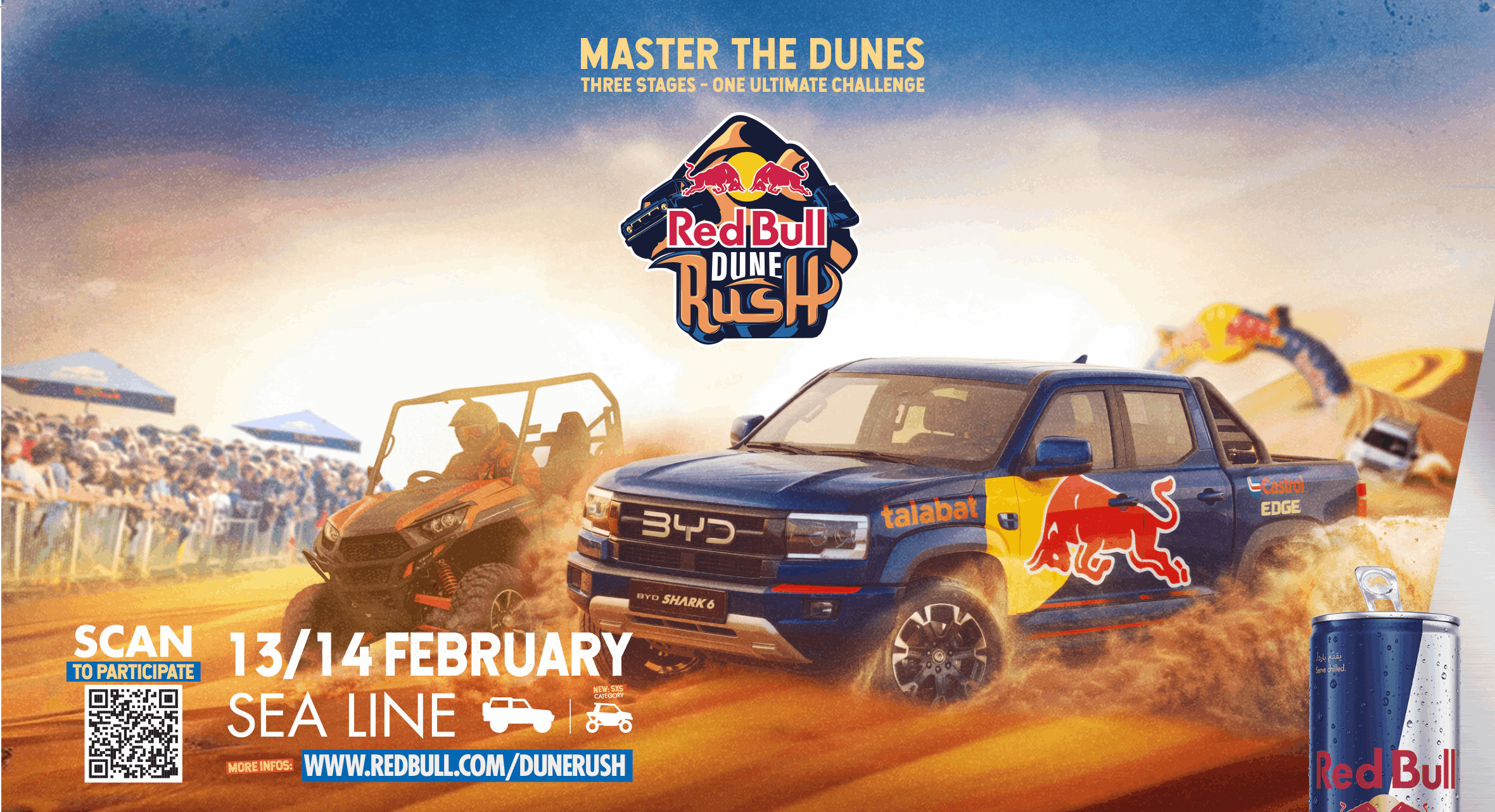
Red Bull does not sponsor culture. Red Bull owns pieces of it. They run one of the largest brand-owned media networks on the planet through Red Bull Media House, producing documentaries, live sports broadcasts, music content, and digital storytelling that millions of people consume without ever thinking of it as advertising.
The Stratos project in 2012, where Felix Baumgartner jumped from the edge of space, pulled in over 8 million concurrent YouTube viewers. That was not a sponsorship. That was Red Bull creating a global cultural event from scratch and attaching their name to the courage of it.
In motorsport, they went further. They did not sponsor a Formula 1 team. They bought two of them. They turned the sport itself into an extension of their brand narrative: speed, risk, pushing limits.
Here is what matters about this for anyone doing brand design work or branding and advertising strategy: Red Bull understood that the most valuable real estate is not ad space. It is cultural territory. They occupied territory that no competitor could buy their way into because Red Bull built it from the ground up.
That is the difference between sponsorship and infrastructure. One is a rental agreement. The other is ownership.
Heineken and the Art of Engineering the Room
Heineken took a different path, and it is equally instructive.
When Heineken became a global Formula 1 partner in 2016 through a deal reportedly worth over $250 million across multiple seasons, the money was never about getting the Heineken logo onto more screens. Heineken already had global awareness. What they wanted was something deeper: they wanted to shape how people felt at the event.
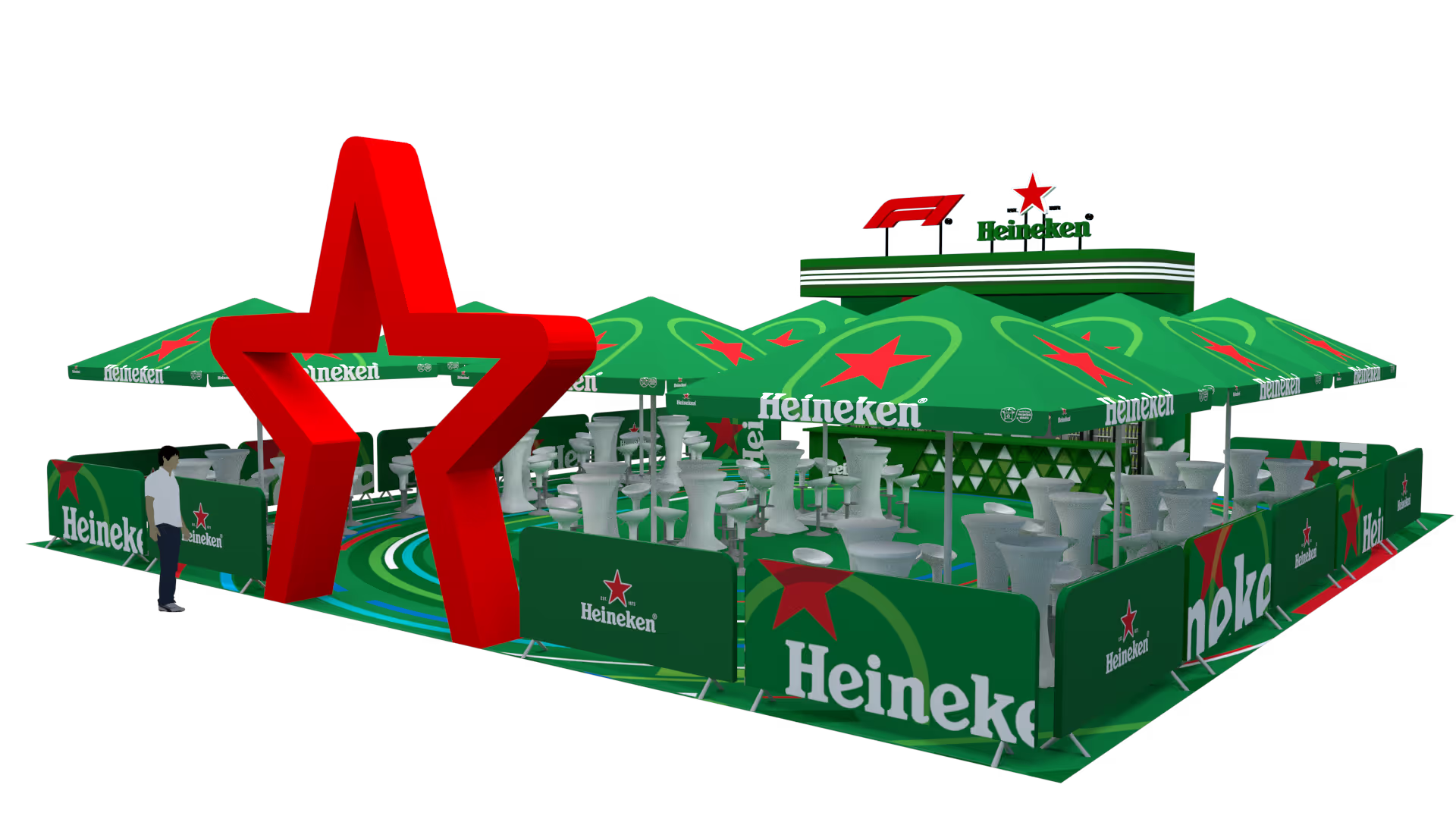
I think of this as atmospheric engineering, designing the physical and emotional environment so that the brand becomes inseparable from the experience itself. At Formula 1 race weekends, Heineken created Silver Zones, curated fan villages, premium hospitality environments, and entertainment activations that turned a sporting event into a lifestyle moment.
The F1 Paddock Club experience is a strong example. You are not just watching cars. You are inside a designed environment where the food, the music, the social dynamics, and the aesthetics of the space all reinforce a specific feeling. Heineken is woven into that feeling without ever needing to interrupt it with an ad.
For anyone running a branding and digital marketing agency or working in digital branding solutions, this is the play to study. The question is not "how do we advertise in this space?" The question is "how do we design this space so that our brand is the atmosphere?"
Why Dubai Became the Testing Ground for All of This
I work in Dubai. My agency, Tiron, is based here. And I can tell you that this city is one of the best places on earth to understand what platform-level brand building looks like in practice.
The Abu Dhabi Grand Prix: A City-Wide Activation Canvas
The Abu Dhabi Grand Prix at Yas Marina Circuit pulls in more than 160,000 attendees over race weekend. But the event does not stop at the track. During race week, brand activations spill out across beach clubs, nightlife venues, fan zones, concert stages, and hotel lobbies. The entire city becomes a canvas.
What makes this market unique is the density of premium experience in a small geography. Dubai and Abu Dhabi combine sport, luxury hospitality, music, art, and nightlife into overlapping ecosystems. For beverage brands, that density is gold because it means a single activation can reach consumers across multiple touch points in a single weekend.
The Pressure to Stand Out in a Competitive Market
According to Dubai's Department of Economy and Tourism, the city hosted over 400 major business and entertainment events in 2023, generating billions in economic activity. That is not just an events market. That is a full-scale experience economy, and it is exactly why so many global brands test their most ambitious activations here.
Working inside this environment as a branding design agency in Dubai, we see the pressure that brands face to show up with more than a banner and a hashtag. The bar in this city is high. Audiences here are used to immersive, premium, well-designed experiences. If your brand activation looks generic, it gets ignored.
This is where brand activation agency thinking has to meet real design craft. The brief is never just "make it look nice." It is "make it feel like it belongs in a world that people already want to be part of."
1.5B+
6B+
160K +
400+
10-20X
The "Global" Problem: Why a Global Partnership Means Nothing Without Local Relevance
One of the sharpest tensions I see in my work involves what the industry calls the "glocal" challenge: making a global brand partnership feel genuinely relevant in a local market.
Formula 1 is global. Heineken is global. But the person sitting in a fan zone in Dubai has different expectations than someone at a fan zone in Singapore or Miami. The nightlife culture is different. The hospitality norms are different. The way people socialise around an event is different.
I have watched brands pour money into global campaign templates and then wonder why the activation in Dubai felt flat. The answer is almost always the same: they did not invest in local adaptation. They treated the market as a pin on a map instead of a culture with its own rhythms.
Brand strategy Dubai works, when it is done well, means understanding these rhythms. It means knowing that a race-week activation in Abu Dhabi needs to connect with the local hospitality scene, with influencer culture specific to the Gulf, with the way people actually move through events in this part of the world.
The brands getting this right are the ones layering localised experiential strategies on top of their global frameworks. They collaborate with local hospitality groups, work with regional creative partners, and build activations that feel native to the city rather than imported from a head office.
Three Shifts That Will Define Beverage Brand Partnerships by 2027
Looking at where this is heading, I see three trends gaining momentum, and they all reinforce the same underlying move: from buying attention to building infrastructure.
First, brands are becoming their own media studios. Red Bull proved this model works. Now we are seeing mid-tier beverage brands invest in original documentary content, behind-the-scenes athlete storytelling, and live-stream programming. The logic is straightforward: why pay a media company to tell your story when you can tell it yourself and own the audience relationship?
Second, sponsorship deals are evolving into infrastructure agreements. The next generation of brand partnerships will not be about signage. They will be about brands co-creating event infrastructure, from digital content platforms to physical fan zones to data-driven personalisation engines that shape the experience in real time.
Third, data is becoming the connective tissue. Experiential activations will increasingly integrate audience data to personalise engagement at scale. Imagine walking into a fan zone where the content on the screens, the music in the space, and even the drink recommendations adapt based on aggregate audience behaviour. That is not science fiction. The pieces already exist.
For those of us working as a branding and creative agency, this means the skillset is expanding. It is not enough to design a logo or build a brand guideline. You need to understand experience design, content strategy, data architecture, and how all of those things connect to a brand's core identity.
The Takeaway: Marketing Is No Longer a Message. It Is an Environment.
If there is one thing I want anyone reading this to take away, it is this: the brands winning in the beverage space, and honestly in most consumer categories, are the ones that stopped thinking of marketing as something you say and started thinking of it as something you build.
Red Bull built a media company. Heineken built atmospheres. The best branding agencies and the top branding agencies working in this space today understand that the job is no longer to communicate a brand. It is to construct the world in which a brand lives.
That is what we focus on at Tiron. We are a branding agency that started in the Netherlands, landed in Dubai, and now operates across three continents. Our first client was Heineken, which is fitting given everything I have written here. The work we do, whether it is brand identity design services, digital branding solutions, or full-scale brand strategy consulting, always comes back to the same belief: a brand is not a logo or a colour palette. It is an environment that people choose to step into.
And if you build that environment well, they do not just visit. They stay.
About Me